
In This Article
The Sacred Bond
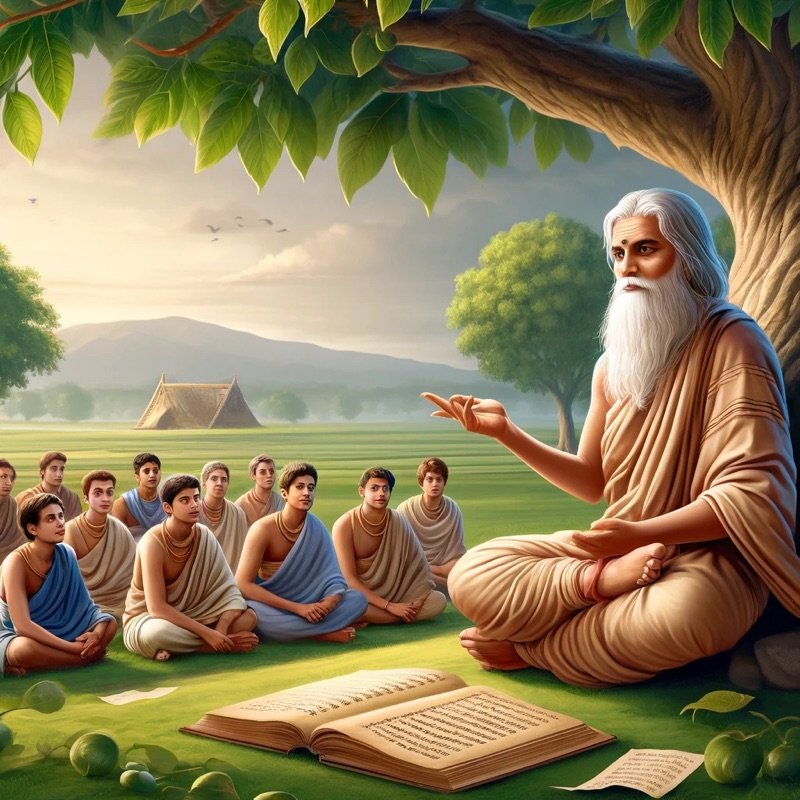
The guru-shishya parampara (teacher-student tradition) is the backbone of Indian classical music transmission. Unlike Western conservatory education, this tradition involves a deeply personal, often lifelong relationship between teacher and student. The guru doesn't merely teach techniques and compositions — they transmit an entire aesthetic sensibility, a way of hearing, feeling, and inhabiting music.
The Gurukulam System
Traditionally, the shishya (student) lived in the guru's home (gurukulam), often from childhood, serving the teacher while absorbing music through constant immersion. Learning happened not just in formal lessons but through observation — watching the guru practise, listening to their conversations with other musicians, absorbing their responses to different musical situations. This 360-degree immersion produced musicians of extraordinary depth.
What Is Transmitted
Beyond notes and compositions, the guru transmits sampradaya (tradition) — the correct way to approach a raga, the aesthetic principles that guide improvisation, the philosophical outlook that gives music its depth. Many nuances — the exact weight of a gamaka, the emotional intent behind a phrase, the silence between notes — can only be conveyed through direct, personal demonstration. This is why recordings and notation, however valuable, can never fully replace the guru-shishya relationship.
Modern Adaptations
Today, the gurukulam system has largely given way to periodic lessons, online classes, and institutional learning. While accessibility has improved dramatically, many musicians and scholars worry about the loss of depth that comes from sustained immersion. The best modern teaching often combines institutional structure with elements of the traditional relationship — a primary guru who provides artistic direction alongside broader musical education.