
Learn Indian Classical Music & Culture
Explore 109 articles on ragas, instruments, dance, history, legendary composers, and more. Your guide to the world of Indian classical arts.
109 articles
Sabhas, Festivals & Cultural Institutions · Music Academies
Kalakshetra: Rukmini Devi's Vision
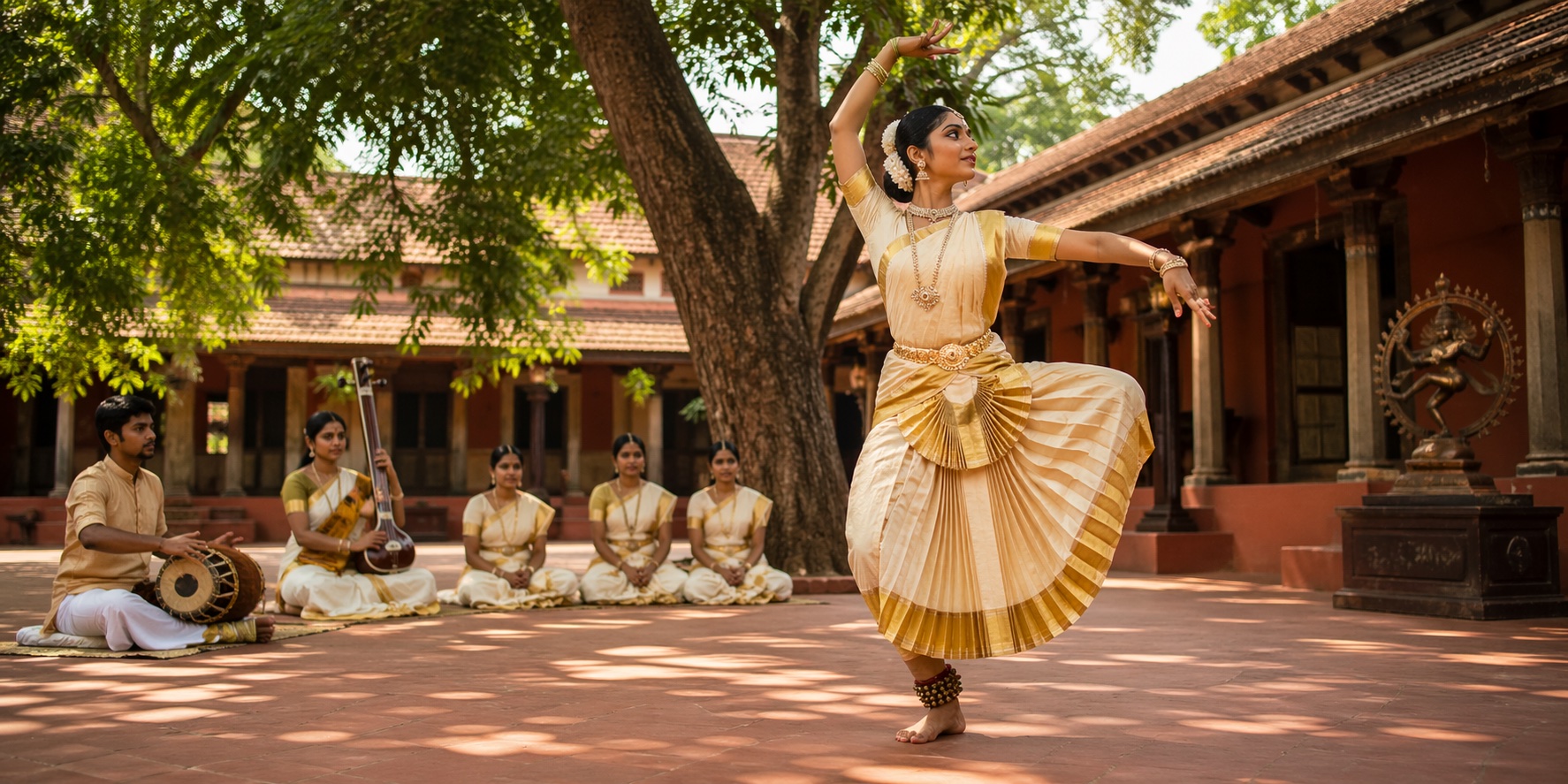
Founded in 1936 by Rukmini Devi Arundale on the shores of the Adyar River, Kalakshetra transformed the landscape of Indian performing arts by restoring Bharatanatyam to respectability and establishing a distinctive pedagogical tradition that continues to shape Carnatic music and dance education to this day.
Learning & Appreciation · Introduction to Ragas
Introduction to Ragas: The Soul of Indian Classical Music
Discover what ragas are, how they create mood and emotion, and why they form the very foundation of Indian classical music.
Carnatic Music · Trinity of Carnatic Music
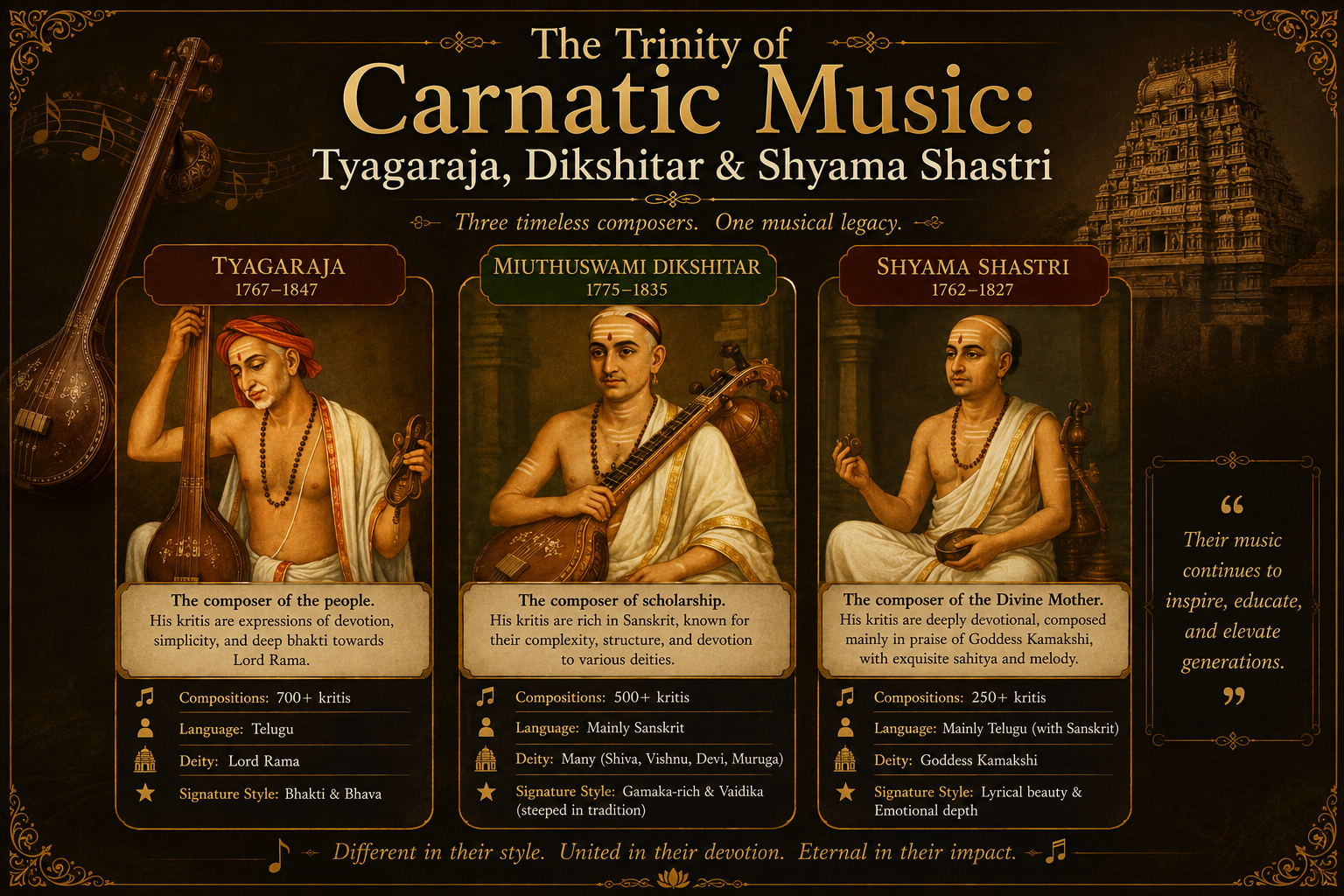
The Trinity of Carnatic Music: Tyagaraja, Dikshitar & Shyama Shastri
The three saint-composers who shaped Carnatic music into the art form we know today — their lives, their contrasting styles, and their enduring legacy.
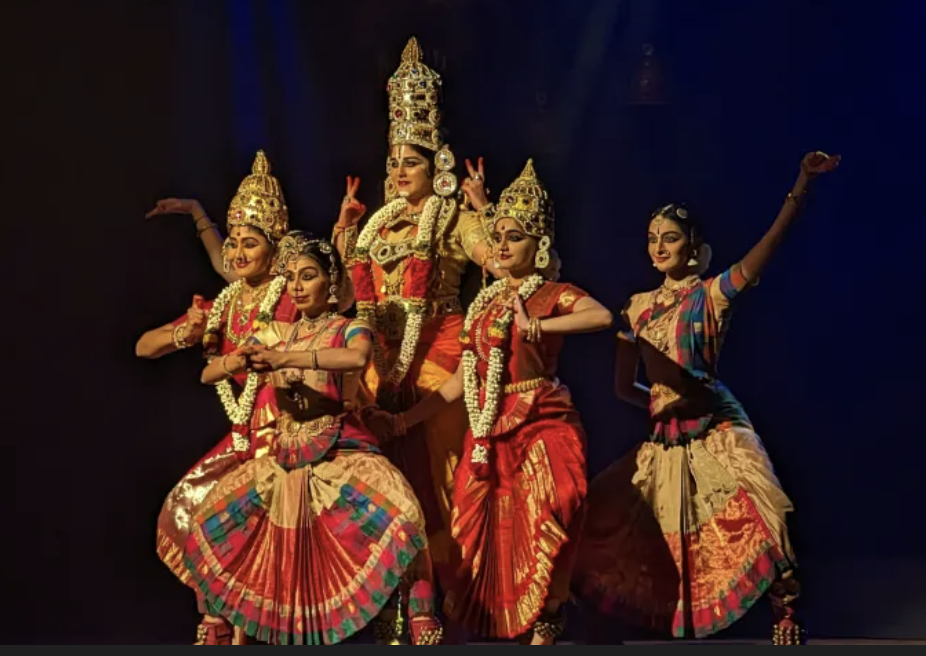
Dance · Bharatanatyam
Bharatanatyam: The Divine Dance of Tamil Nadu
From ancient temple rituals to the global concert stage — the rich history, technique, and spiritual depth of India's most widely practised classical dance form.
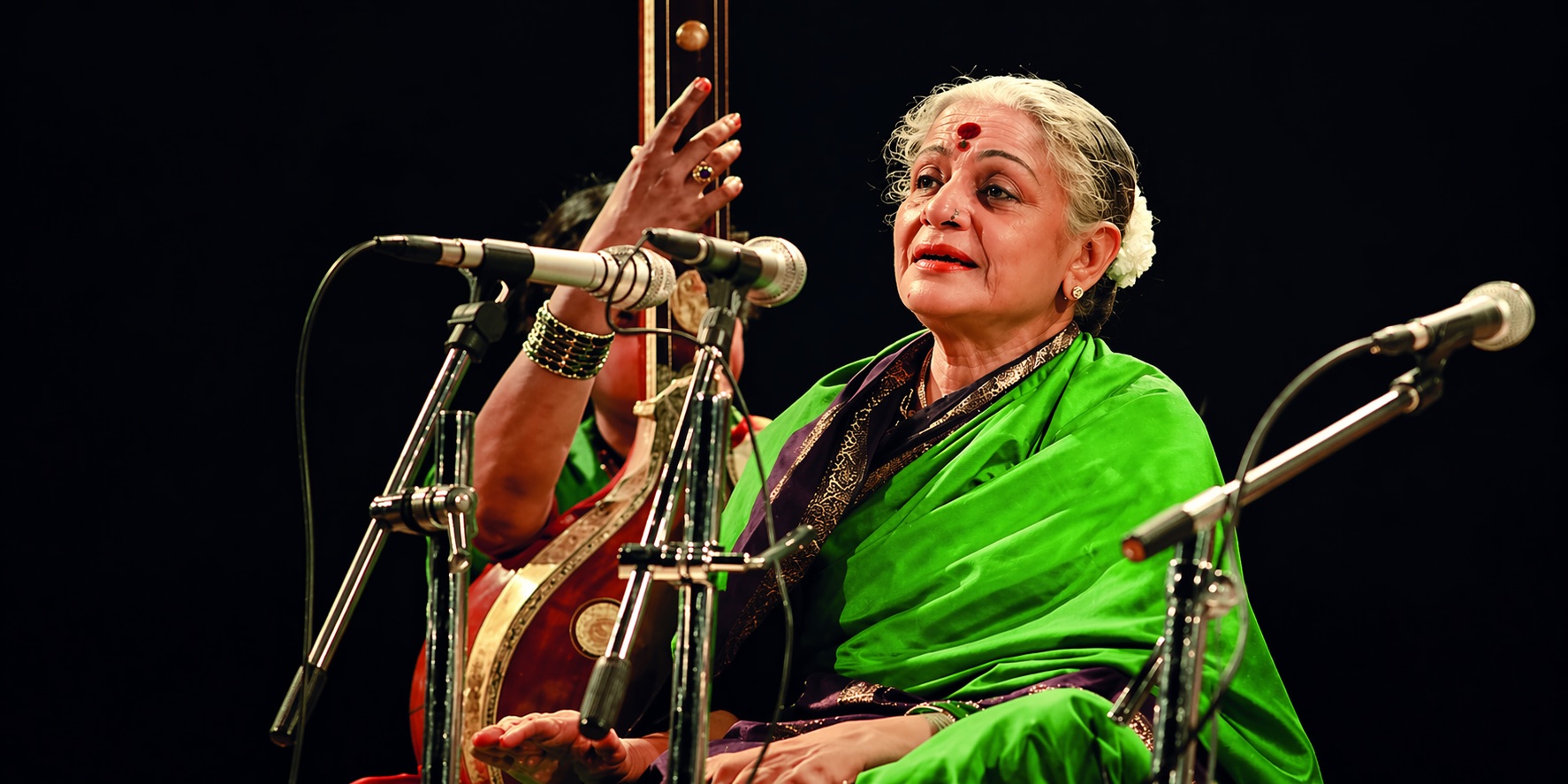
Legendary Musicians & Composers · M.S. Subbulakshmi — Voice of the Nation
M.S. Subbulakshmi: The Voice of the Nation
The extraordinary life of M.S. Subbulakshmi — from child prodigy to the voice that united a nation and brought Indian classical music to the world stage.
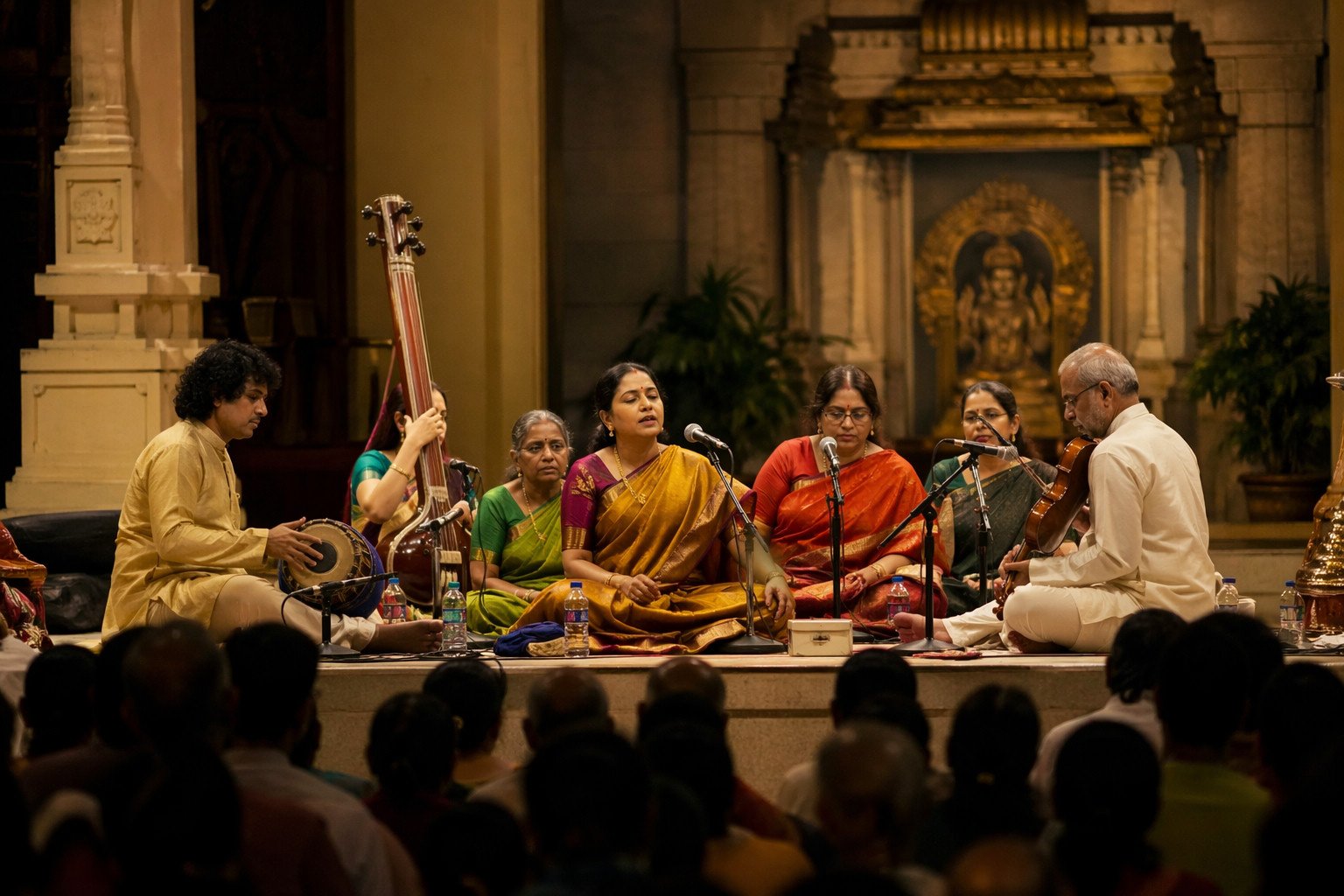
Sabhas, Festivals & Cultural Institutions · Margazhi Music Season
Margazhi: The World's Largest Music Festival
Every December, Chennai transforms into the world's largest classical music festival — over 3,000 concerts across six weeks. Here's what makes Margazhi magical.
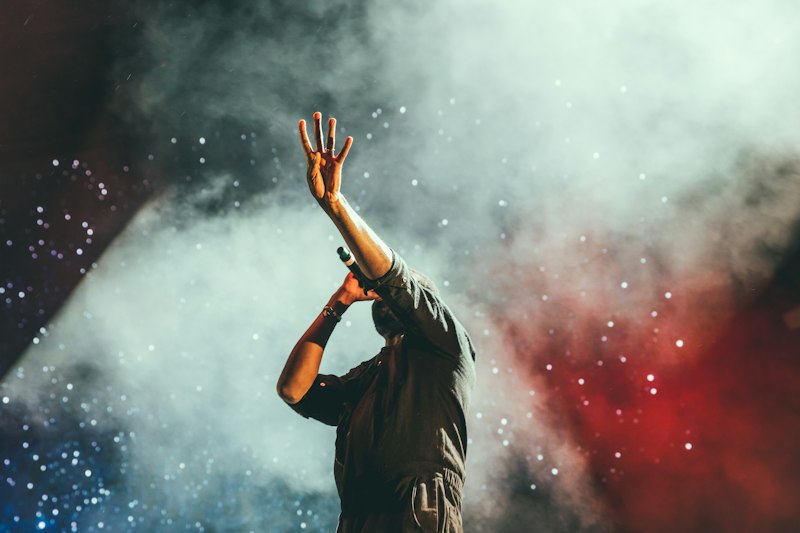
For Organisers & Sabhas · Sponsorship & Funding
Finding Sponsors for Classical Music Events
Securing sponsorship for classical music events requires a blend of strategic planning, compelling storytelling, and relationship building. This guide offers practical strategies for sabhas and organisers to attract corporate sponsors, government grants, individual patrons, and crowdfunding support.
History & Origins · Post-Independence Renaissance
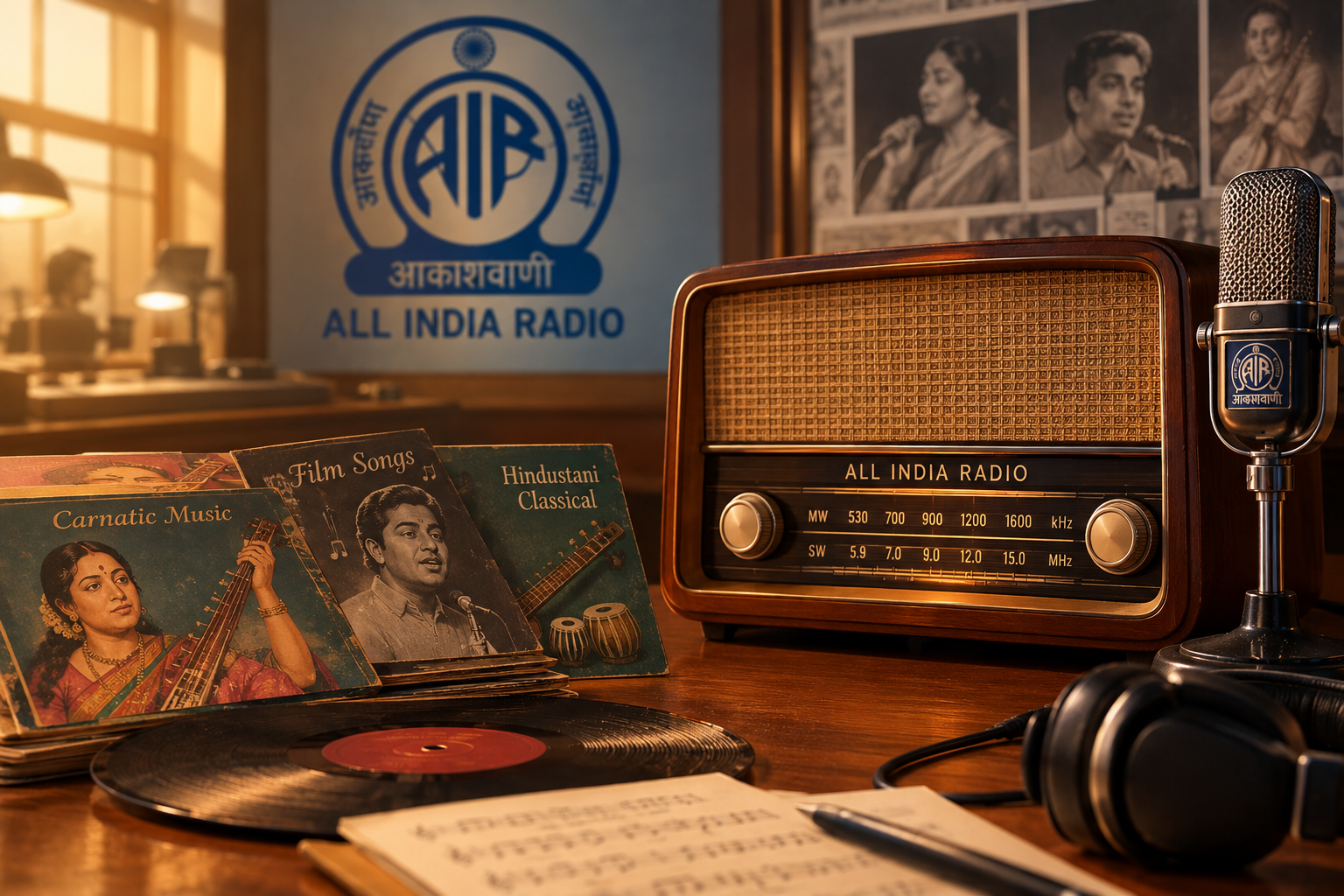
All India Radio and the Golden Age of Recorded Music
All India Radio transformed the landscape of Indian classical music after Independence, serving simultaneously as patron, employer, and living archive—creating a golden age of recorded performance whose echoes still resonate today.
Hindustani Music · Bandish & Composition
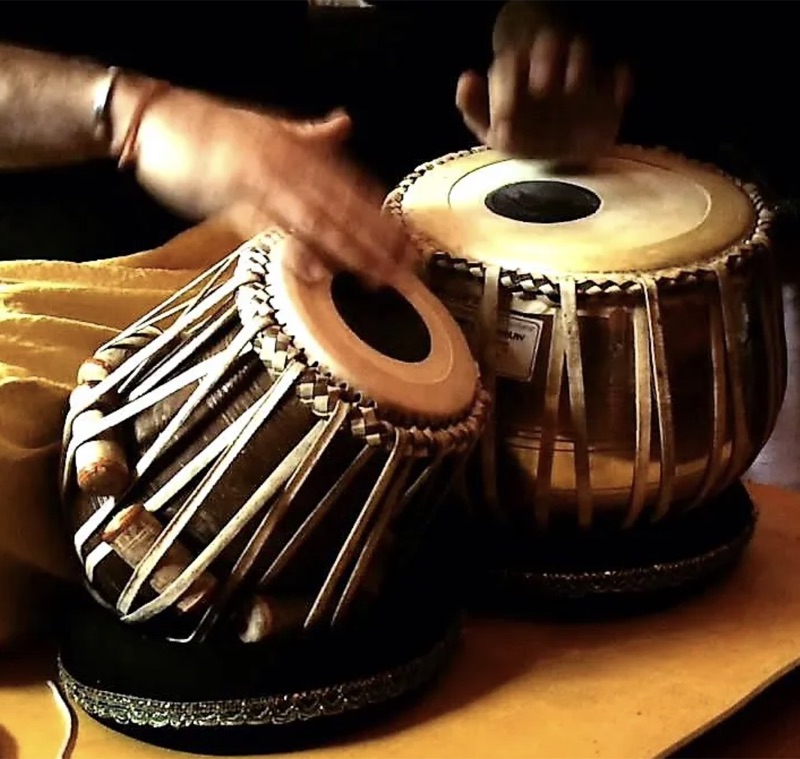
The Bandish: Hindustani Music's Compositional Foundation
The bandish is far more than a mere composition in Hindustani classical music — it is the architectural blueprint upon which entire edifices of improvisation are constructed, carrying within its compact form the essence of raga, tala, and aesthetic intent.
Hindustani Music · Jugalbandi & Collaborative Forms
The Art of Jugalbandi: When Two Traditions Meet
Jugalbandi, the art of musical dialogue between two master musicians, represents one of Indian classical music's most thrilling and demanding forms — a space where ego dissolves into conversation, and contrasting traditions find unexpected common ground.
Carnatic Music · Kriti & Composition Forms
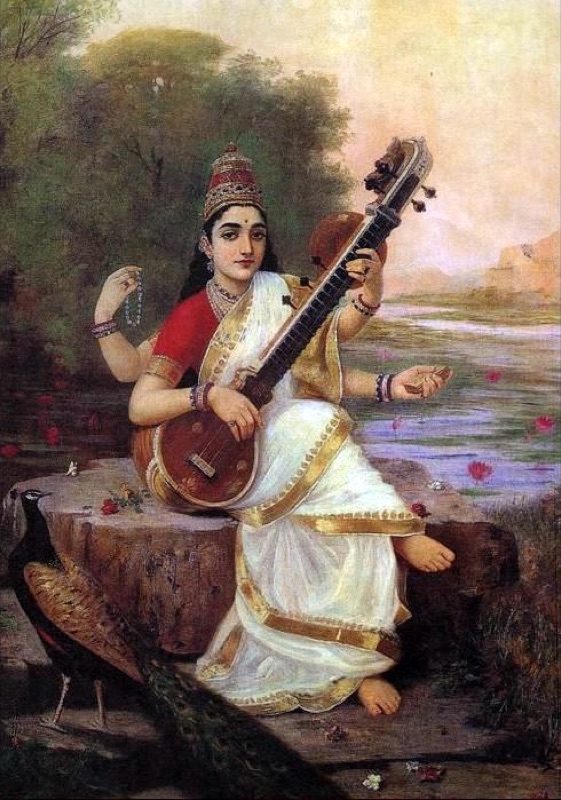
Anatomy of a Kriti: Pallavi, Anupallavi, Charanam
The kriti, Carnatic music's most refined compositional form, unfolds through three elegantly interconnected sections — pallavi, anupallavi, and charanam — each serving a distinct musical and devotional purpose. This article examines the anatomy of the kriti through the masterworks of Tyagaraja, Muthuswami Dikshitar, and Syama Sastri, exploring how performers breathe life into this enduring structure.
For Artists & Performers · Stage Presence & Performance Tips
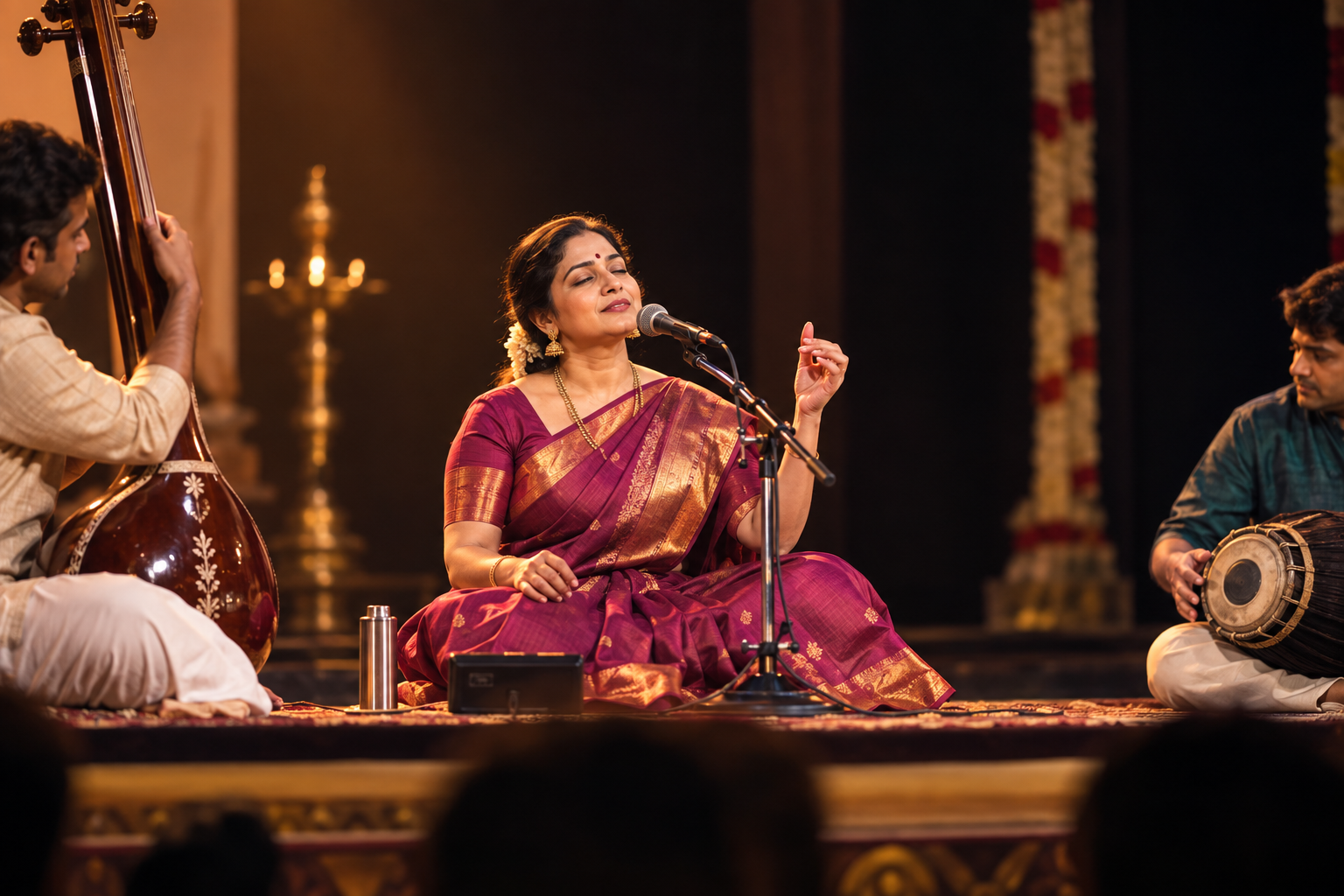
Commanding the Stage: Presence for Classical Musicians
Stage presence is not mere showmanship — it is the silent language through which a classical musician communicates devotion, authority, and vulnerability. This guide offers practical, tradition-rooted advice on commanding the concert stage with authenticity and grace.
Sacred Music & Devotion · Annamacharya Keerthanas
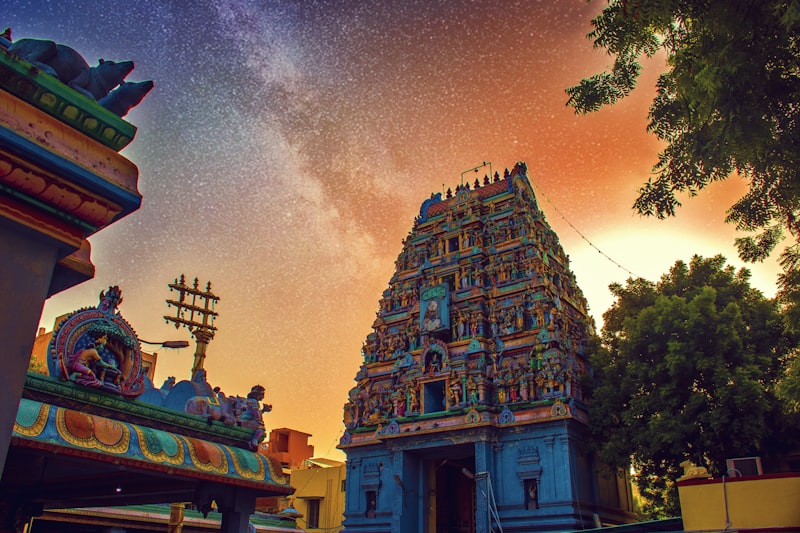
Annamacharya: The Pada Kavita Pitamaha
Annamacharya, the 15th-century saint-poet of Tirumala, composed an astonishing 32,000 sankirtanas to Lord Venkateswara, earning him the title Pada Kavita Pitamaha — the grandfather of song-poetry in Telugu. His rediscovered works, preserved on copper plates for centuries, continue to inspire musicians and devotees alike.
Dance · Mohiniyattam
Mohiniyattam: The Dance of the Enchantress
Mohiniyattam, Kerala's lyrical classical dance form, draws its name and essence from Vishnu's enchantress avatar Mohini, weaving together the swaying rhythms of the Kerala landscape with a deeply devotional aesthetic tradition revived through the tireless efforts of pioneering artists.
History & Origins · Mughal Courts & the Rise of Hindustani Music
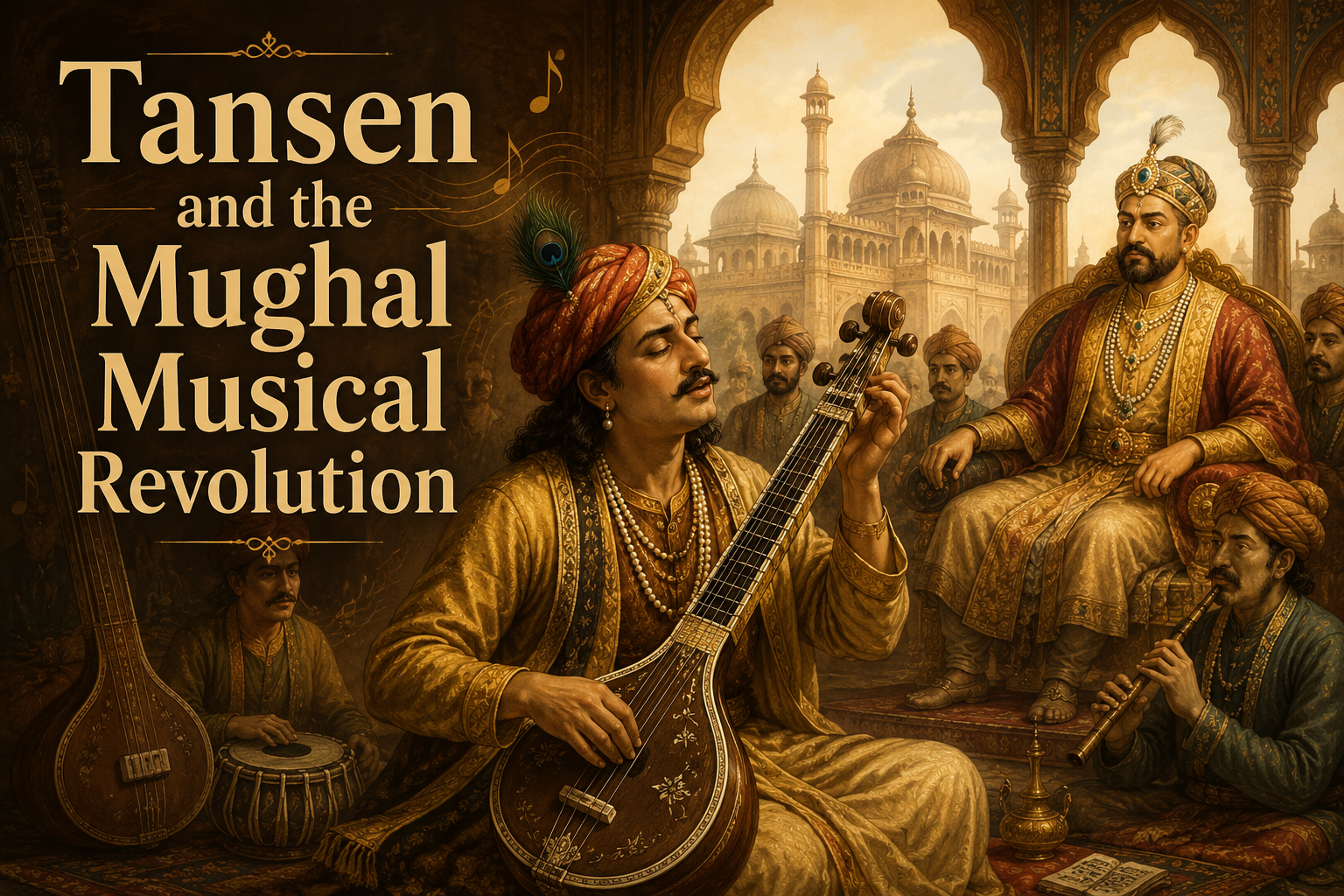
Tansen and the Mughal Musical Revolution
Mian Tansen, the legendary musician of Akbar's court, transformed Hindustani classical music by synthesising Indian and Persian traditions, creating new ragas and compositional forms whose influence resonates through the Senia gharana to this day.
For Artists & Performers · Working with Organisers & Sabhas
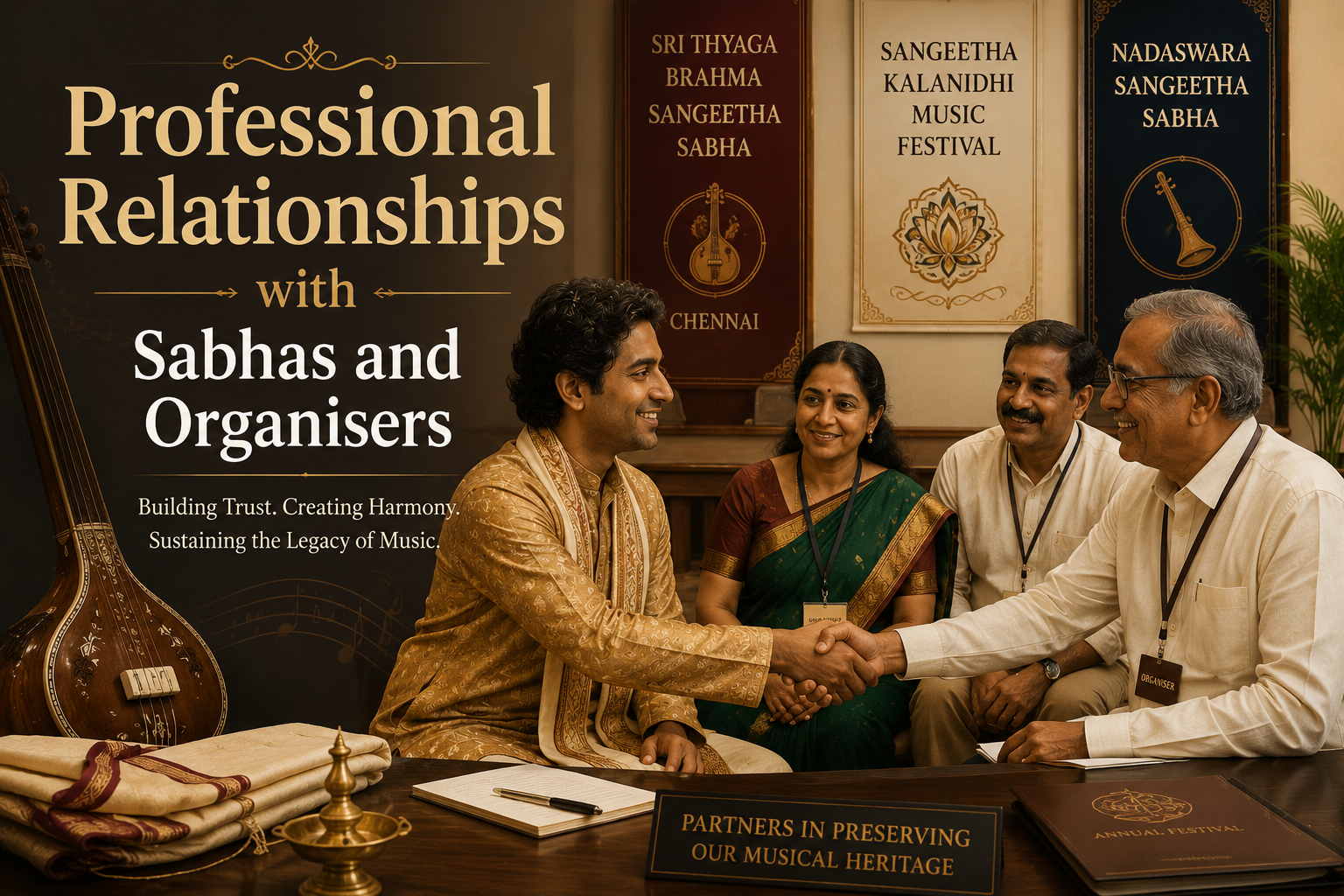
Professional Relationships with Sabhas and Organisers
Navigating the world of sabhas and organisers is as much an art as performing on stage. This guide covers approaching sabhas, negotiating fees, handling contracts, and building lasting professional relationships in the Indian classical music ecosystem.