
In This Article
Temple Origins
Bharatanatyam traces its origins to the Natyashastra of Bharata Muni (circa 2nd century BCE) and the temple dance traditions of Tamil Nadu. For centuries, it was performed by devadasis — women dedicated to temple service — as a form of worship. The dance was an offering to the deity, its movements narrating mythological stories and expressing devotion through gesture, expression, and rhythm.
The Chola and Pallava dynasties were great patrons of temple dance, and the sculptures at Chidambaram, Thanjavur, and other temple complexes preserve in stone the very poses and movements still performed today.
The 20th Century Revival
By the early 20th century, changing social attitudes had marginalised the devadasi tradition. The revival of Bharatanatyam as a concert art form is credited to Rukmini Devi Arundale, who founded Kalakshetra in 1936, and Balasaraswati, who represented the traditional devadasi lineage. Their contrasting approaches — Rukmini Devi's choreographic refinement vs. Balasaraswati's emotional depth — created a creative tension that enriched the art form enormously.
Technique & Repertoire
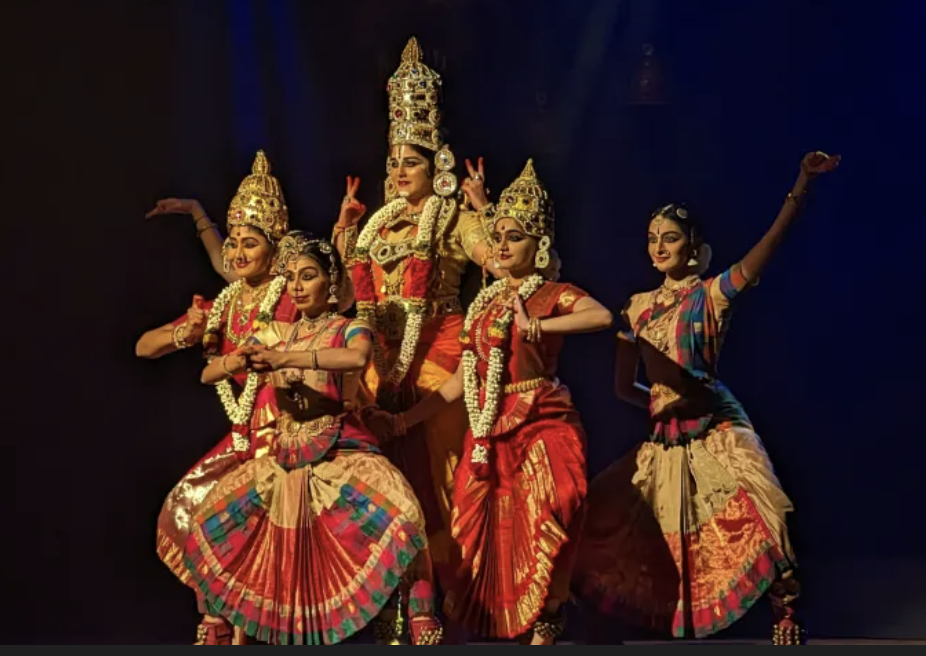
Bharatanatyam is built on the aramandi (half-sitting) position, with bent knees and turned-out feet. The technique encompasses nritta (pure rhythmic dance), nritya (expressive dance combining rhythm and emotion), and natya (dramatic narrative). A traditional recital (margam) progresses through alarippu, jatiswaram, shabdam, varnam (the centrepiece), padam, tillana, and mangalam.
Bharatanatyam Today
Today, Bharatanatyam is the most widely practised Indian classical dance form, with schools in every major city worldwide. Contemporary choreographers explore new themes — social justice, ecology, gender — while maintaining the classical vocabulary. The art form's ability to be simultaneously ancient and contemporary ensures its continued relevance and vitality.