
In This Article
From Kathakar to Kathak
Kathak derives its name from katha (story) and kathakar (storyteller). Its origins lie in the ancient tradition of itinerant storytellers who narrated mythological tales through dance and mime in the temples of North India. These performers combined rhythmic footwork with expressive hand gestures and facial expressions to bring epics like the Ramayana and Mahabharata to life.
The Mughal Court Influence
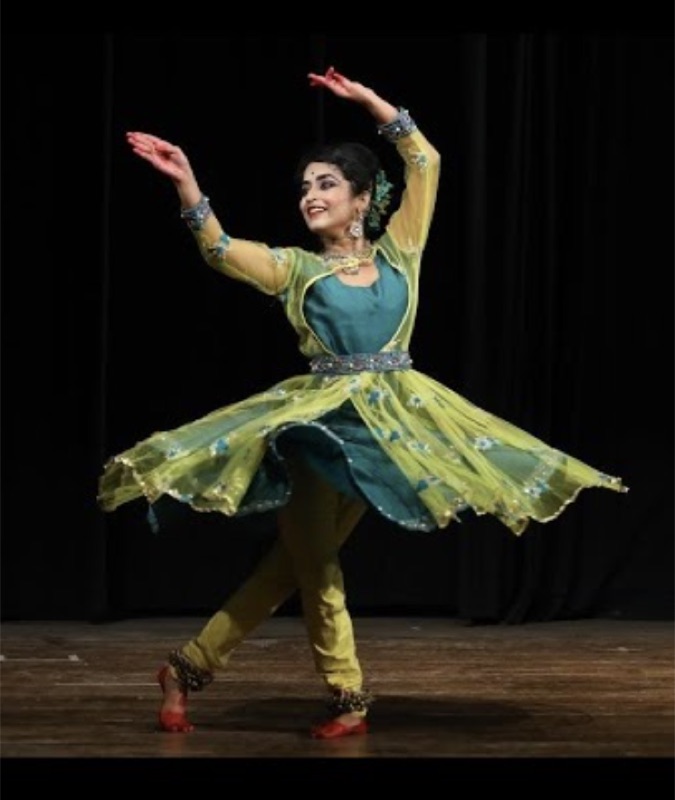
The Mughal era (16th-19th centuries) profoundly transformed Kathak. Under court patronage, the dance absorbed Persian and Central Asian influences — the spinning chakkar, the intricate footwork patterns, and the shift from devotional to romantic themes (particularly Krishna-Radha love stories). The costume evolved from temple attire to the flowing anarkali outfit, and the musical accompaniment incorporated tabla and sarangi.
Kathak Gharanas
Three major gharanas define Kathak: Lucknow Gharana (emphasis on grace, expression, and nazakat — delicacy), Jaipur Gharana (focus on rhythmic virtuosity and powerful footwork), and Benares Gharana (a blend of both with unique compositions). Legendary exponents include Birju Maharaj (Lucknow), Sitara Devi, and Pandit Chitresh Das.
A Kathak Performance
A Kathak recital typically begins with an amad (entry piece), followed by pure dance pieces showcasing footwork (tatkar) and spins. The tukda and toda are short rhythmic compositions, while the tarana features melodic syllables. The climax often involves a jugalbandi (dialogue) between the dancer's footwork and the tabla, building to a breathtaking display of speed and precision.